Central Bank of Kuwait, Kuwait City



SCHÜCO International KG
Owner / Developer
Central Bank of Kuwait
Architect
HOK International Ltd.
Building Function
Office
Status
Completed in 2014
approx. 34.000 m²
Height
approx. 240 m
Technical Features
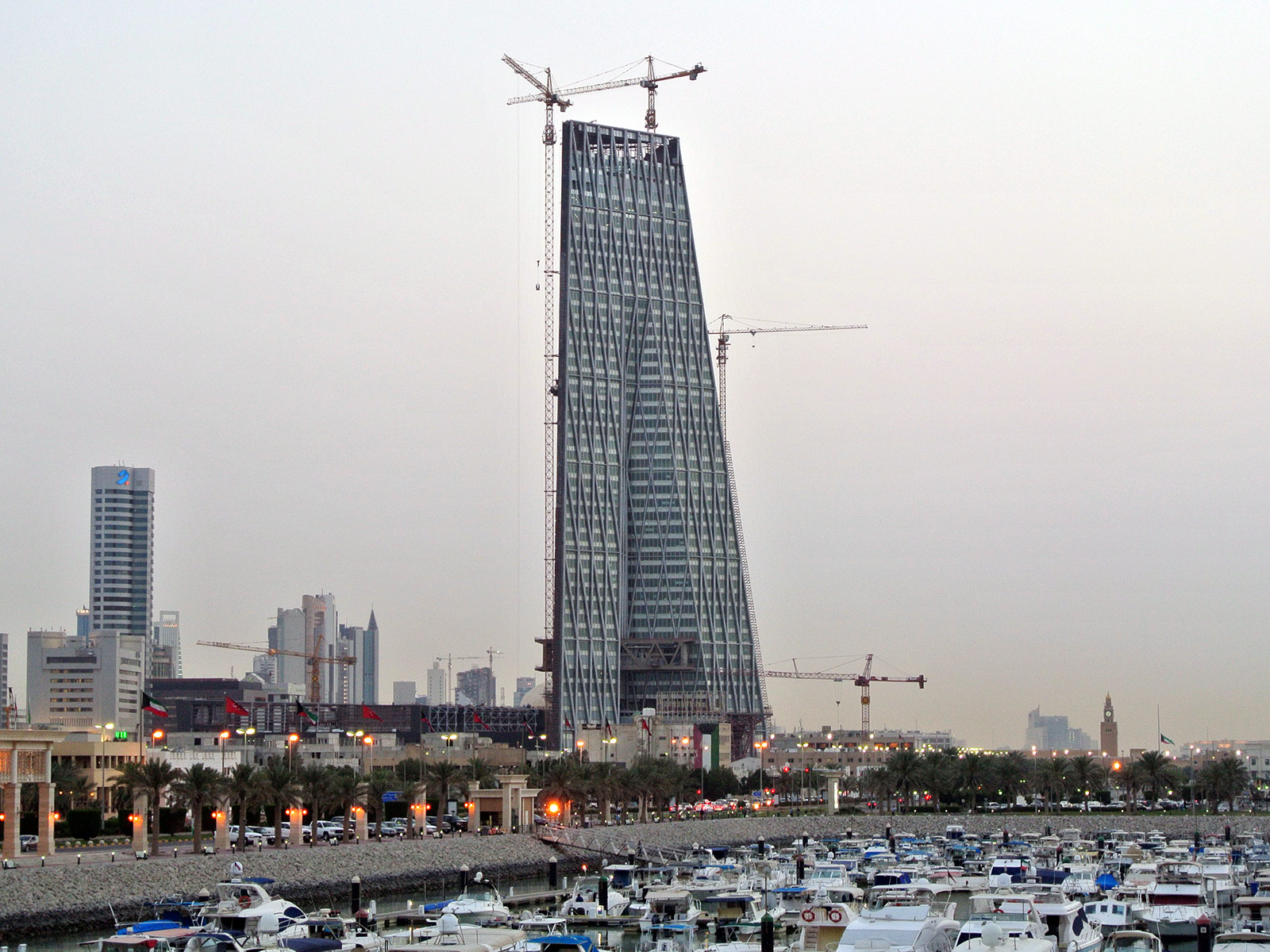
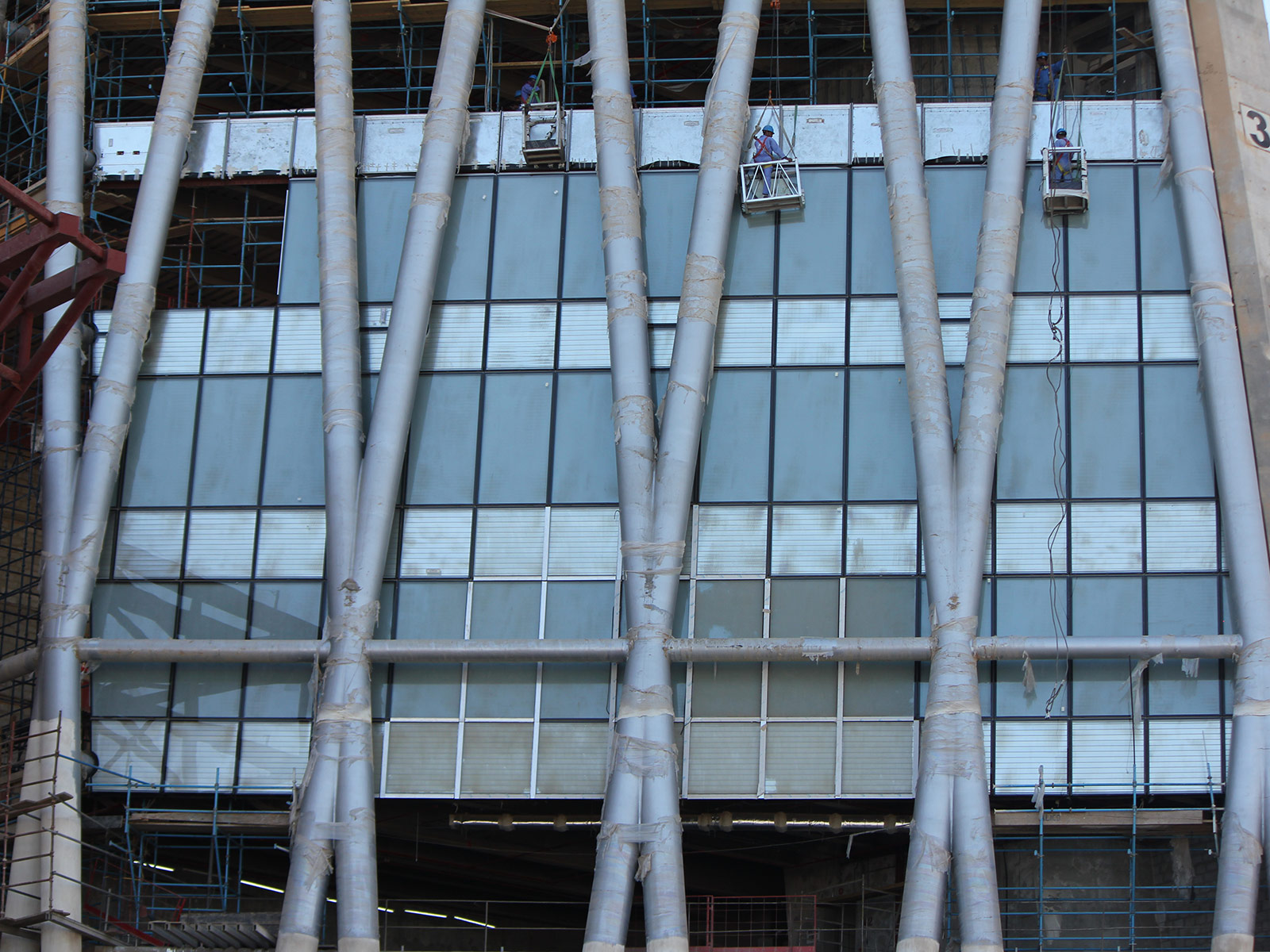
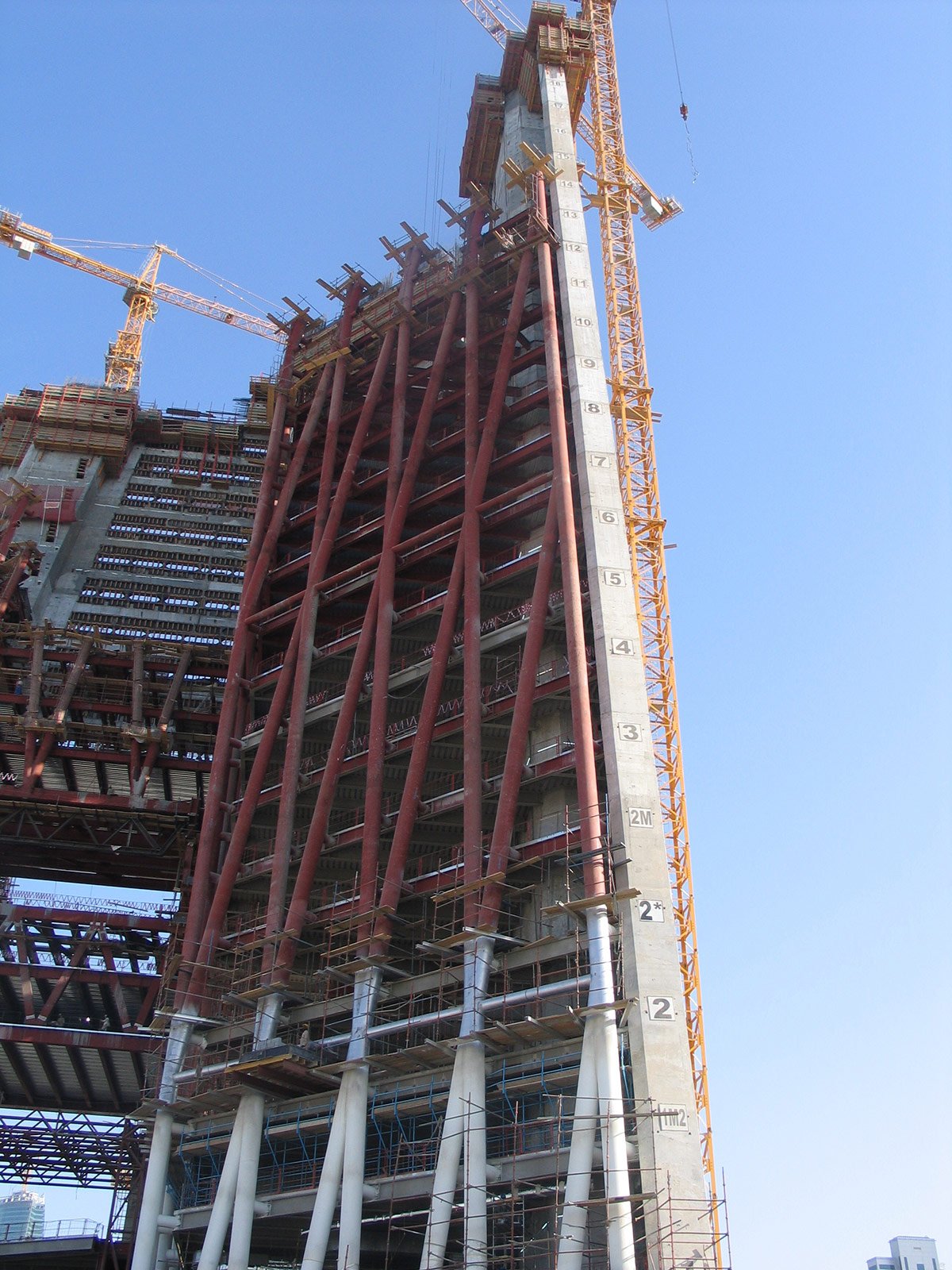
- Unitized curtain wall, blast resistant
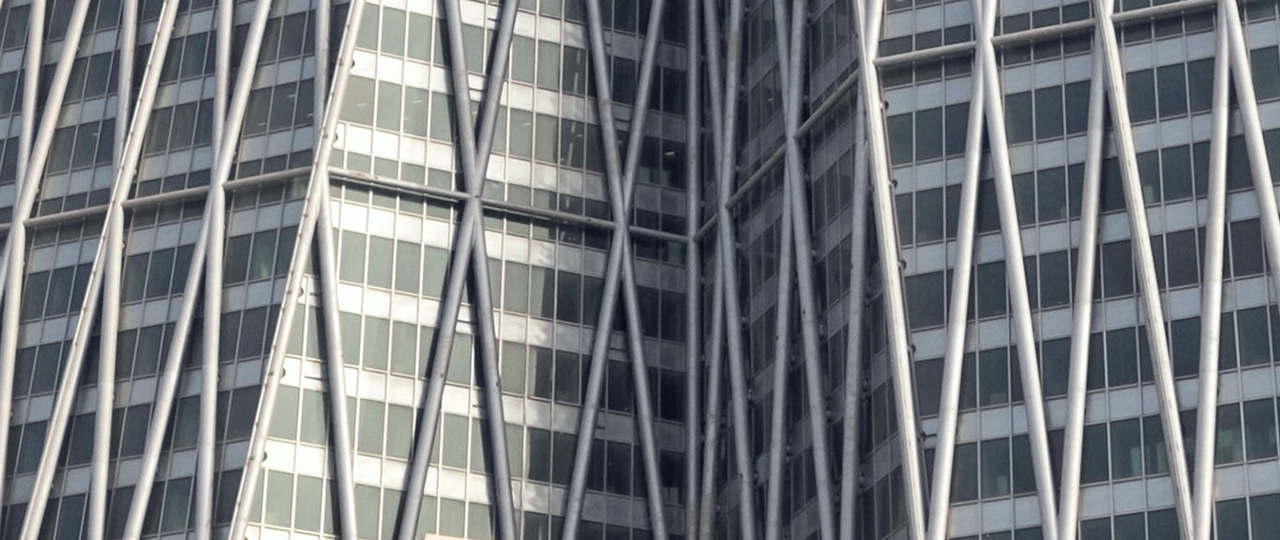
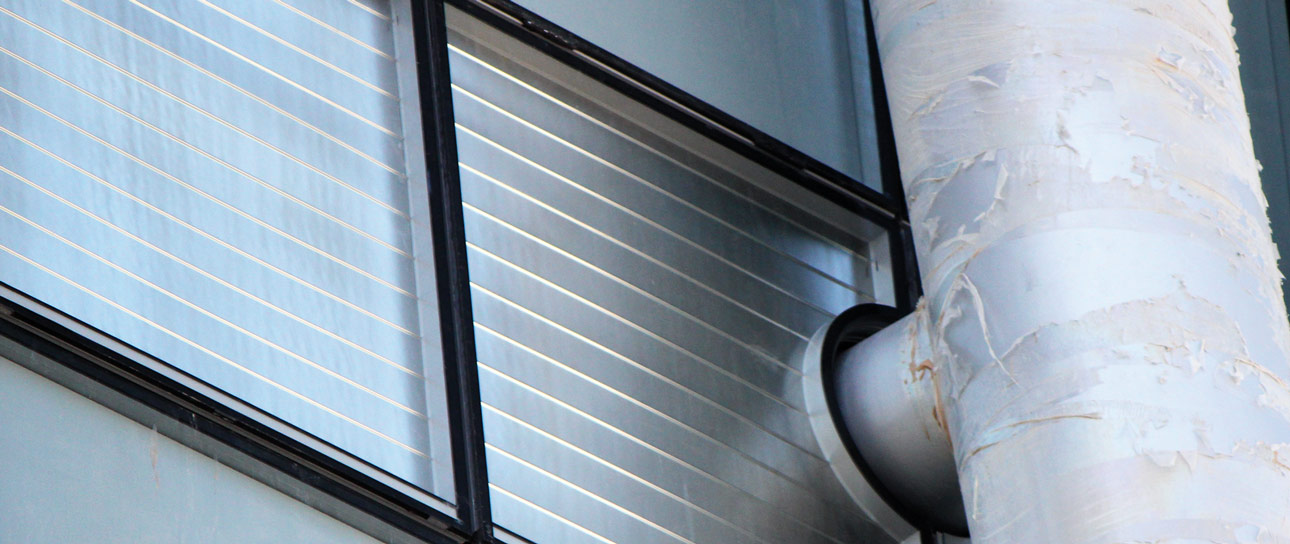
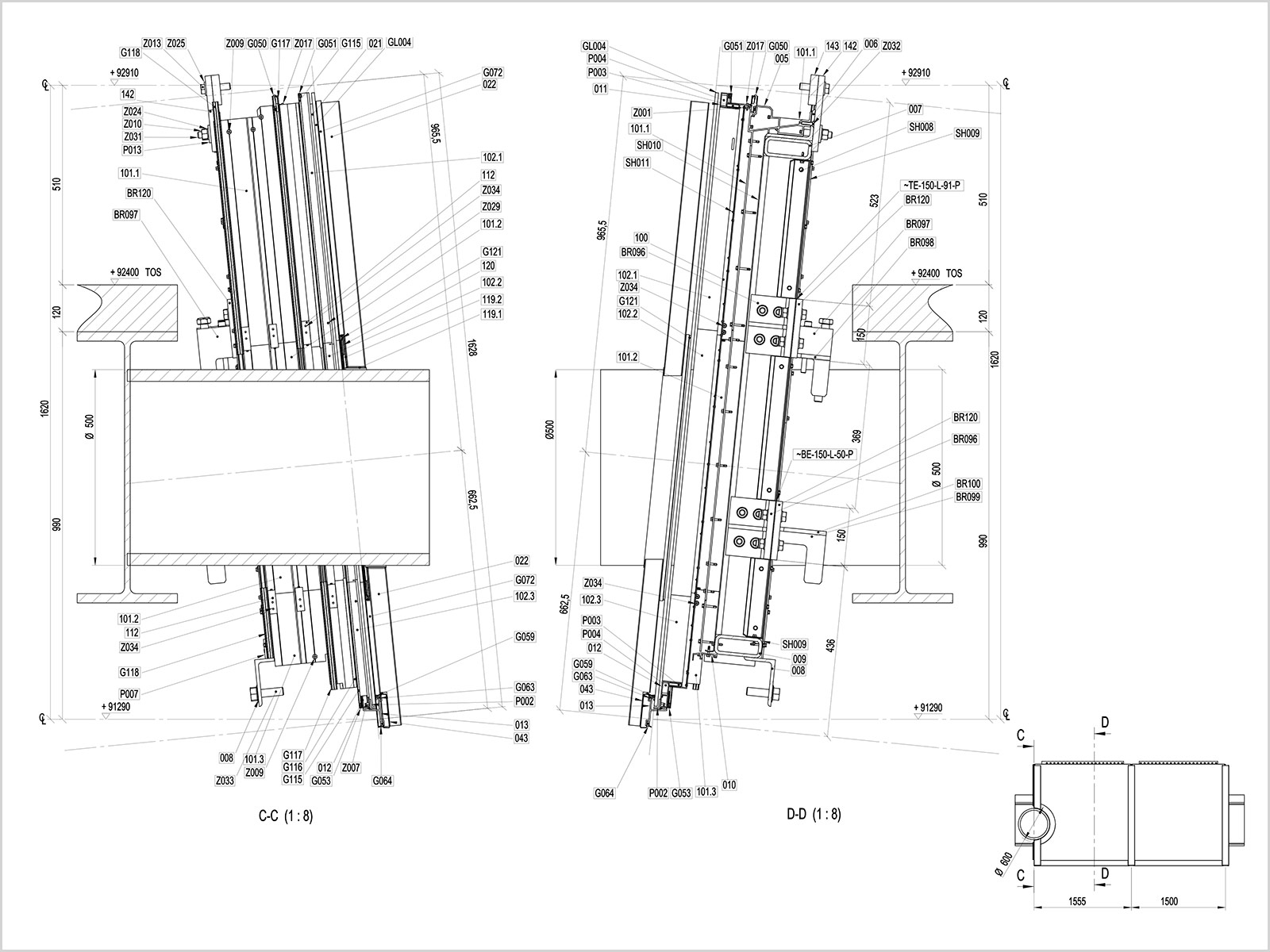
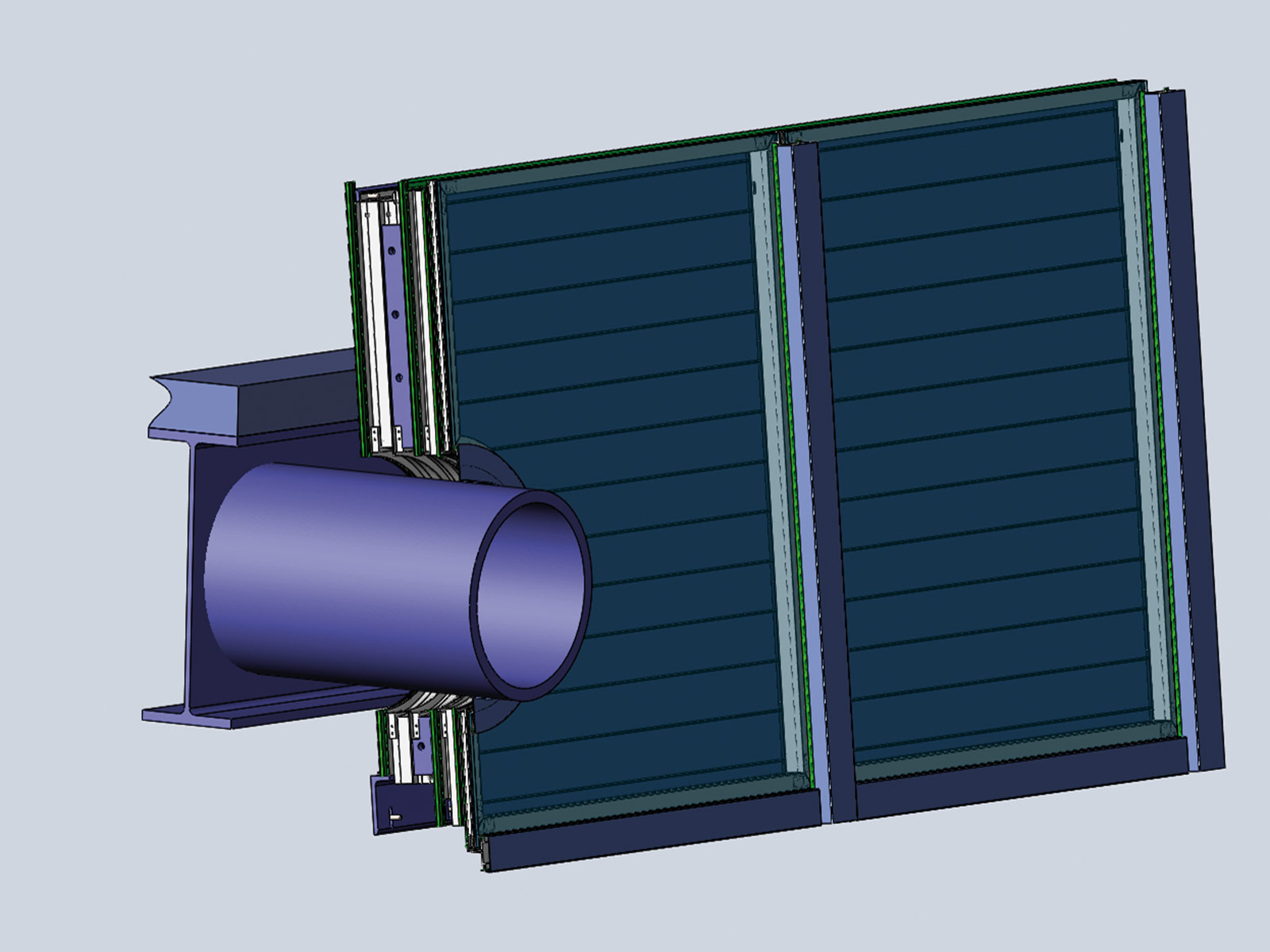
Each element, where this joint needs to be accommodated, has a different geometry – all of the connectors are unique.
Read moreWe provided
Engineering
With the award of the contract, we check the contractual framework conditions as the basis for the implementation. If necessary, we adapt the technical solutions to any requirements that have changed – always with the goals of our client in mind.
- Contract review, determination of the contracted services and if necessary, developing alternative solutions
- Operational management, cost and budget audits
- Assessment of technical amendment suggested by the contracting parties, assessment of proposed modifications
- Evaluation of implementation alternatives to the approved diagrams (IFC Issued for Construction Drawings)
- Definition of the main strategic objectives as the basis for a coordinated facade design
Priedemann prepares shop drawings for the contractor of a facade project, based on the already-released design documents.
- Priedemann first checks these documents for completeness and buildability.
- In discussion with the client and design team, all design-relevant parameters are coordinated and, where necessary, adapted to the contractor’s equipment.
- The aim is fabrication-ready shop drawings.
- Priedemann prepares shop drawings and detailed information based on the released design.
- Available documents are checked for completeness and buildability, after which construction, connections, materials, finishes and installation references are developed for fabrication.
- The drawings can be updated during subsequent coordination and incorporated into agreed review processes.
- The service is primarily intended for facade contractors.
- Responsibility for fabrication and formal approval is defined for the project.
Facade material take-off and ordering documentation translate the coordinated facade design into specific information on materials, quantities, processing and allocation.
- Depending on the brief, Priedemann structures technical material data, quality criteria, cutting information, finishes, tolerances and delivery or production sequences.
- This creates a clear technical basis for procurement and production preparation.
- Content and accuracy depend on the design status, available information and agreed scope.
- Priedemann prepares material take-offs and technical ordering information from the coordinated facade design.
- Materials, qualities, dimensions, finishes and related technical data are structured and allocated to the relevant components or production lots.
- Depending on the appointment, quantities, cutting lists, optimisation information and ordering references may be included.
- The documents support procurement and production preparation.
- Ordering, supplier selection and commercial purchasing remain with the client or contractor.
Priedemann compiles production documentation for the designed facade, such as construction drawings, shop-drawing information, production and installation drawings, and structural and building-physics calculations through to material lists.
- Depending on the appointment, Priedemann also provides technical support for selected aspects of facade fabrication, supplies CAD and CAM data for computer-aided production, and accounts for the potential and capacity of the relevant production site.
- Priedemann compiles production documentation for the fabrication of facade components.
- This may include working and production drawings, material schedules, CAD or CAM data, and agreed structural and building-physics information.
- Components and data are allocated clearly to production lots and coordinated with the intended fabrication process.
- Depending on the appointment, Priedemann supports technical questions during production.
- Responsibility for fabrication and quality control of the manufactured components remains with the contractor.
Specials
Parametric facade models make it easier to respond consistently when design conditions change. Priedemann constructs components, elements or complete assemblies in 3D and connects their geometry through defined rules and relationships. Parametric design can form part of a BIM process or be used as a separate design and production method. The models can generate CIM- and DFM-compatible data sets for further development.
Priedemann uses parametric modelling to develop variable facade geometry, components or assemblies through defined rules and relationships. This allows options to be generated consistently, reviewed and adapted when inputs change.
Depending on the brief, geometry, component information or machine-readable data can be derived for subsequent design and fabrication. Parameters, software, outputs and responsibility for downstream production data are agreed for the project.
From parametric model to fabrication
Parametric models can support more than geometric design. Depending on the task and agreed workflow, the resulting data can be transferred into subsequent design or fabrication processes. This may include CIM- and DFM-compatible data and further processing into CNC data. For complex facade geometry in particular, the rule-based model structure allows changes to be carried through consistently and information to continue from design into later planning and production stages.
Memberships