Origami for the Experienced
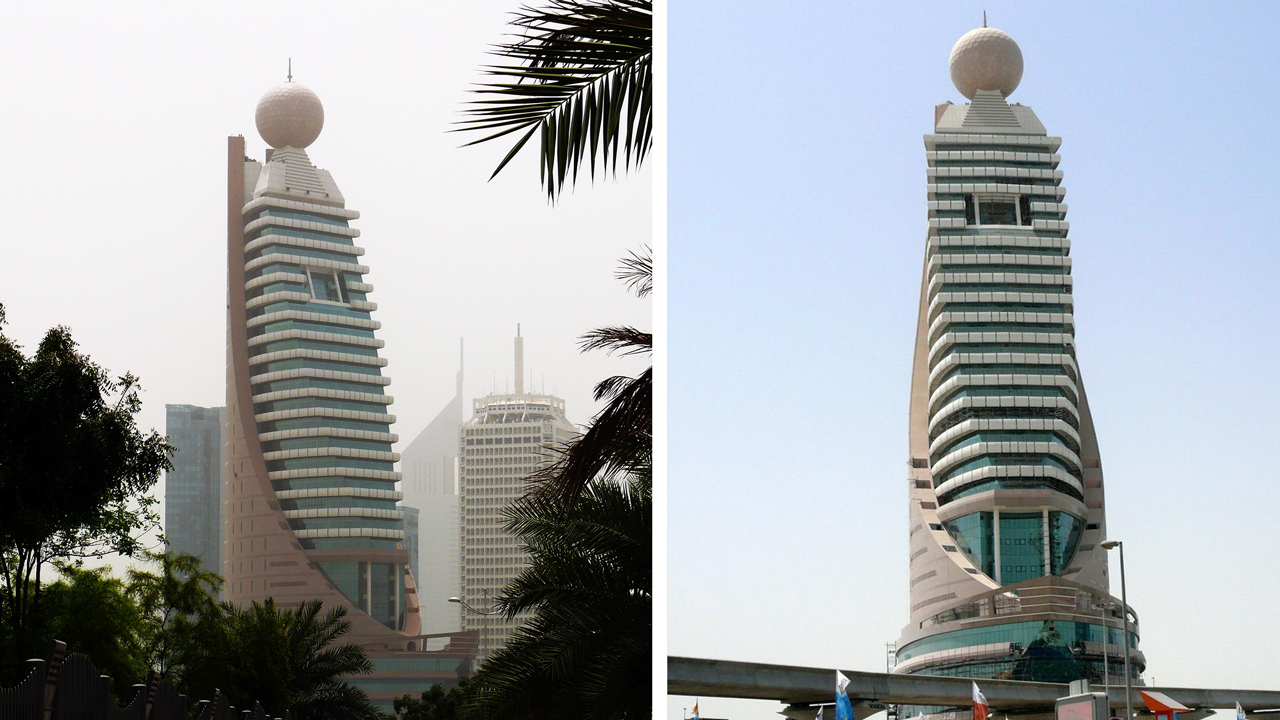
Etisalat Building in Dubai
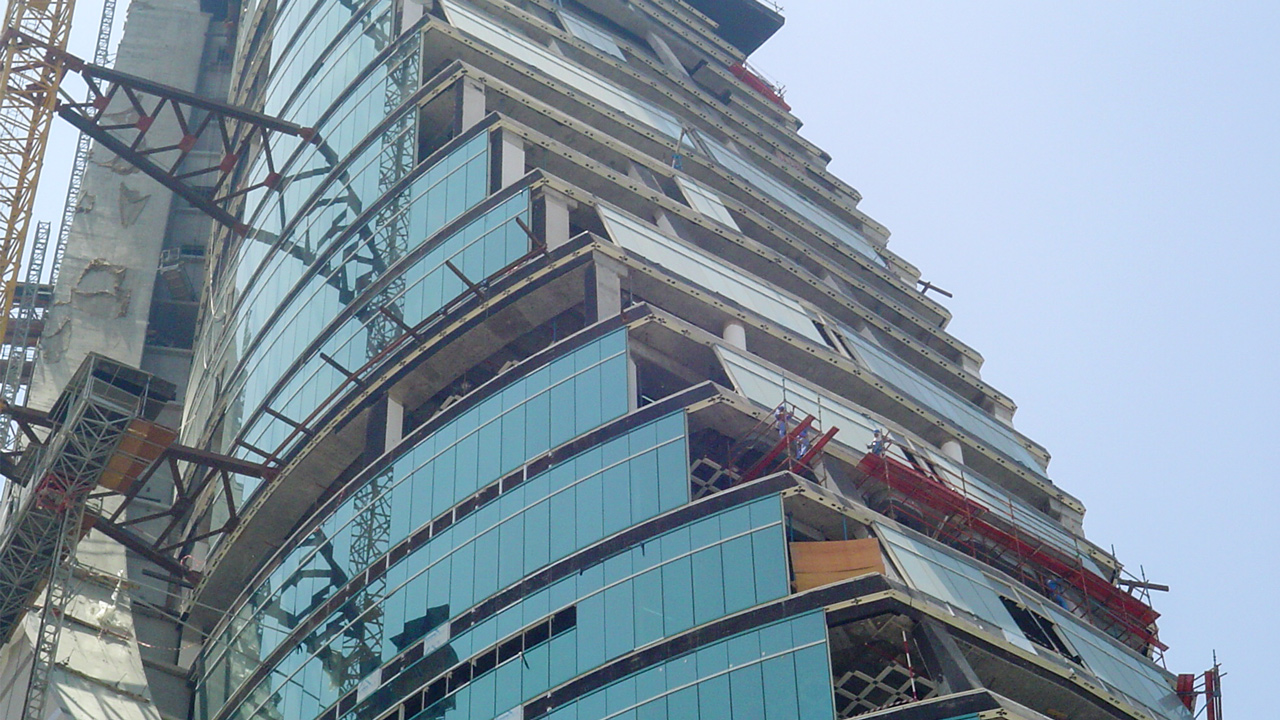
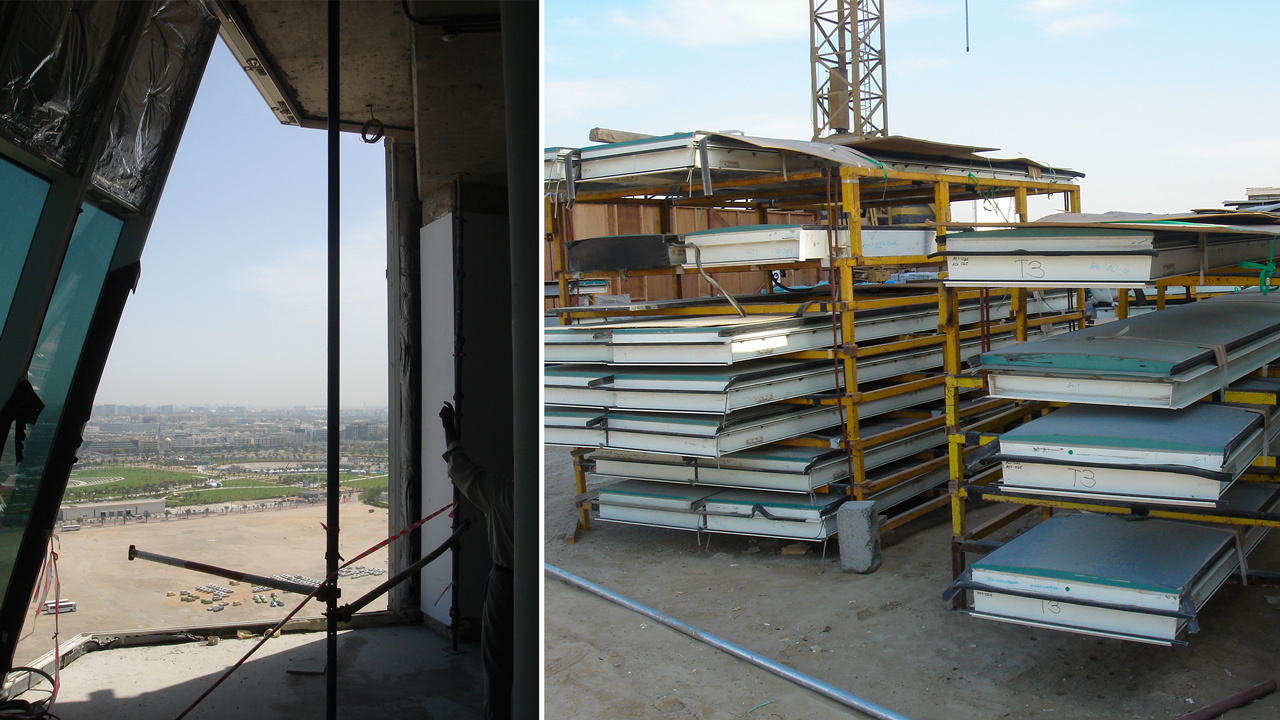
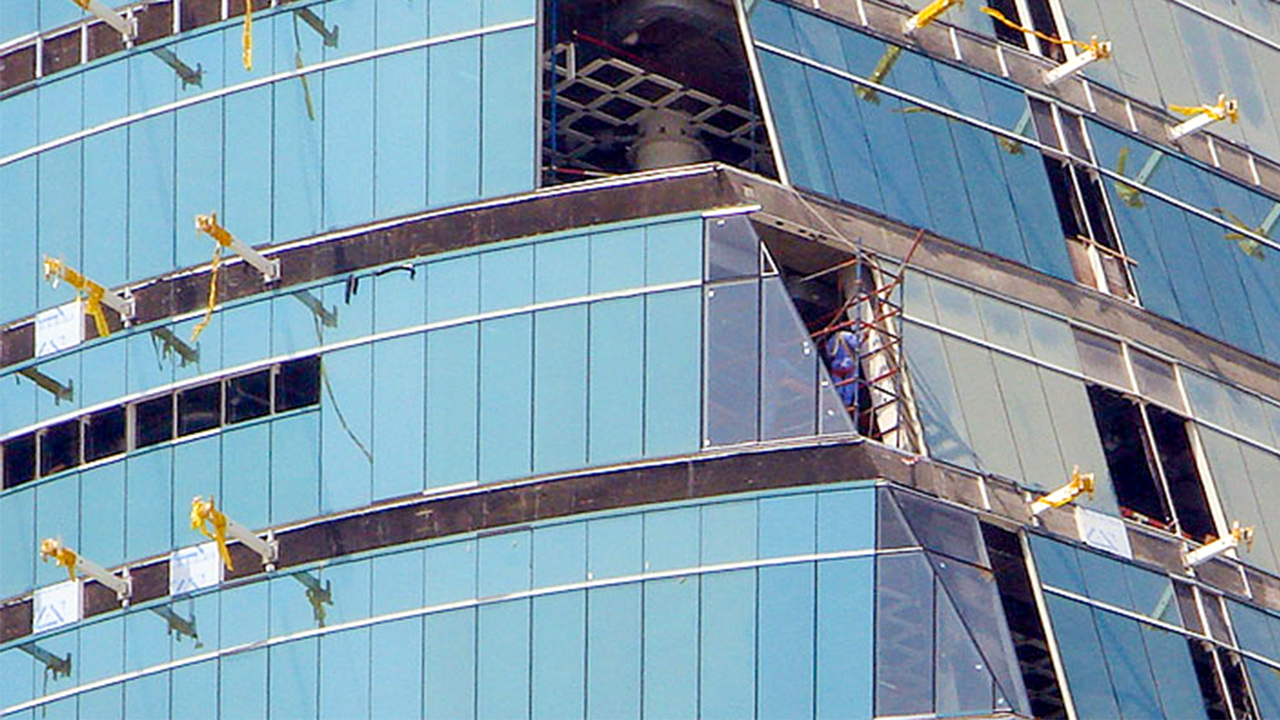
The construction sector in the Middle East is continuing to grow. But how does this market work? We did not have time to find this out: When we got an urgent callout to the Etisalat Building in Dubai in 2005, it was supposed to be virtually complete; the only problem was that the facade was missing on literally every nook and corner. The building, which was geometrically complex, had two open sides that stretched up all 33 floors. Every one of the total of almost 100 corners was different; in addition, the facade was slightly curved, and there was not one right angle anywhere. In terms of the whole project, the variations between planning and implementation were so large that it was not possible to continue working on the basis of the existing planning material. And the developer wanted to have the official opening in 6 months. So what could we do??
This was no traditional job for a facade specialist on the planning side. Instead, the work needed to be planned for the local facade builder. First of all, we were able to prove ourselves in engineering on the implementation side.
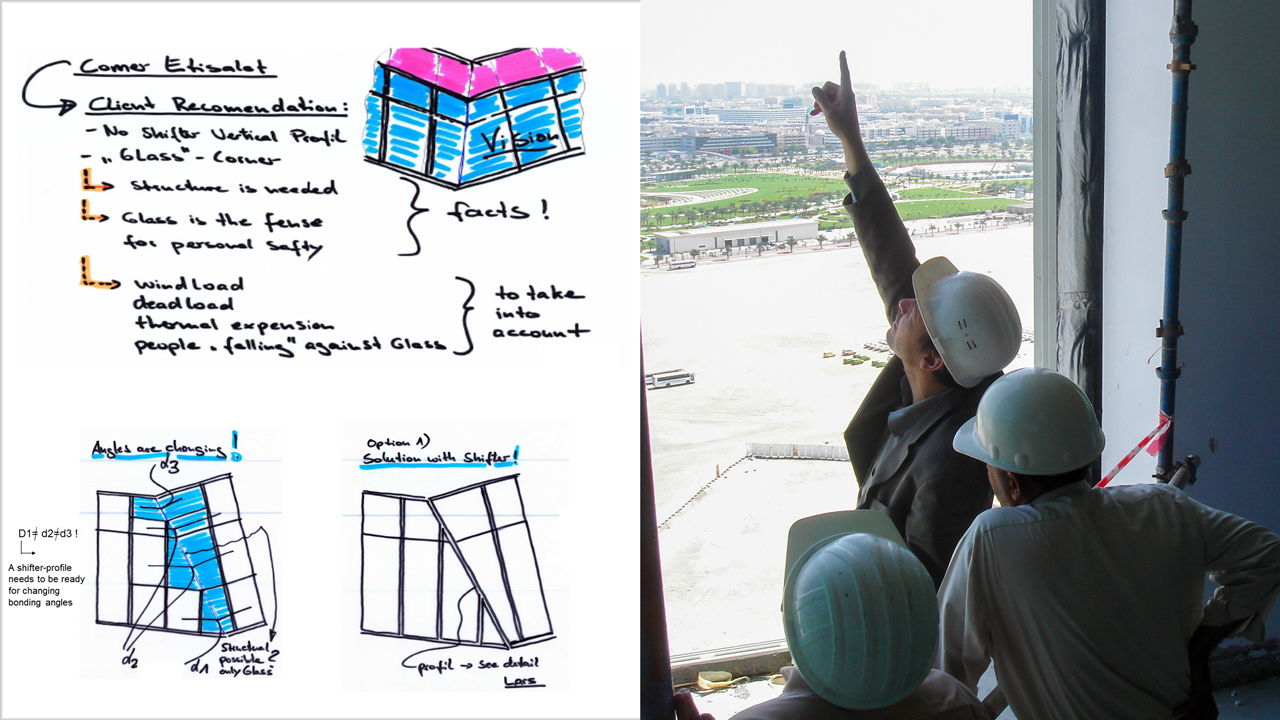
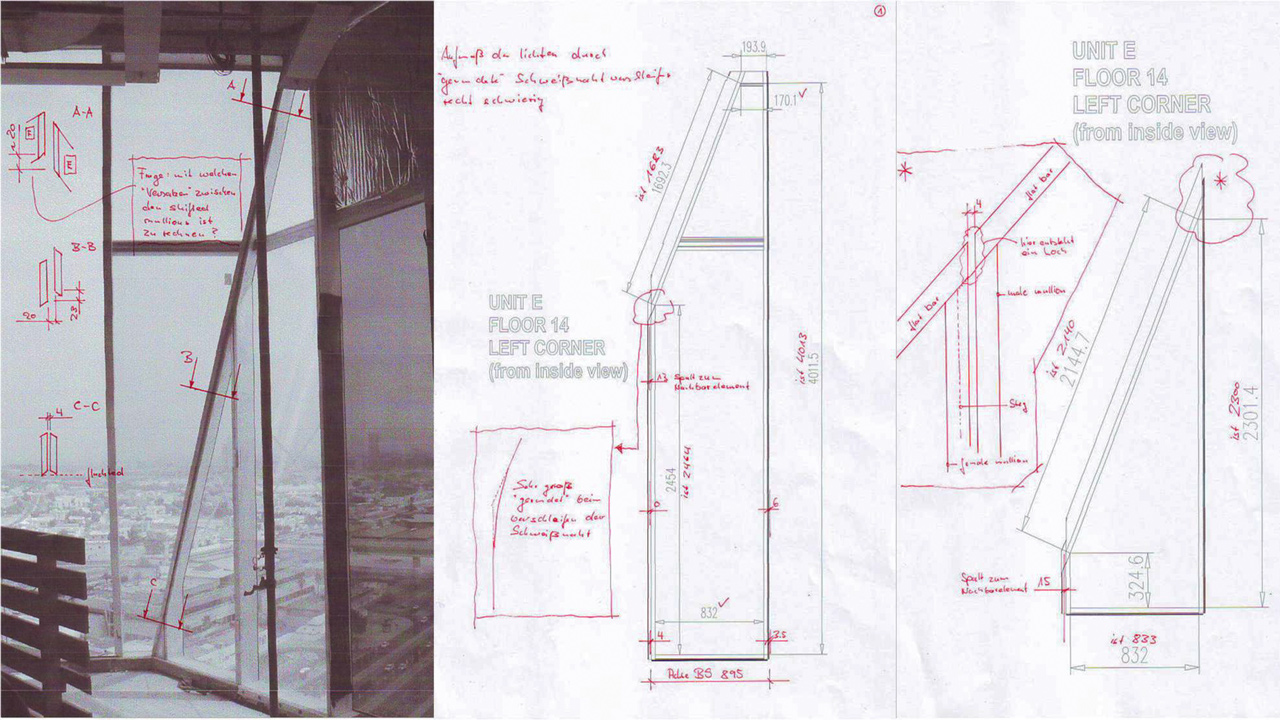
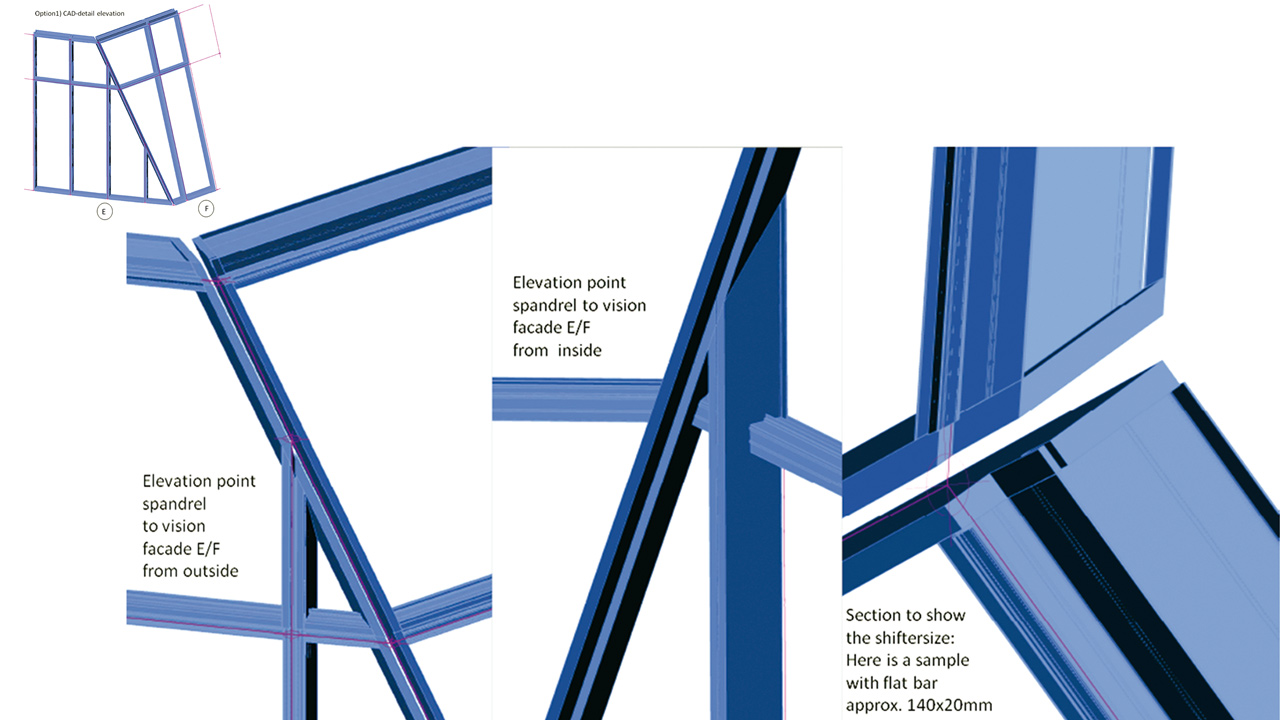
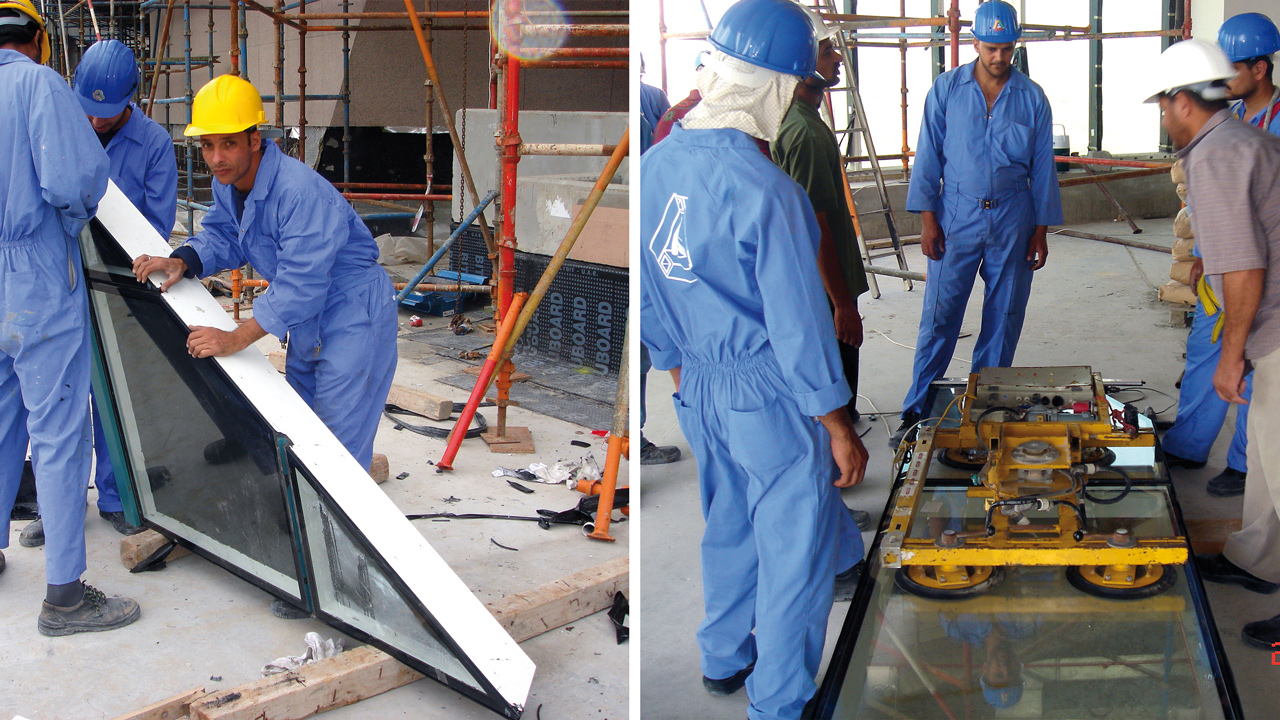
We brought in a team of surveyors to make precise measurements down to the last millimetre for each corner. This team was supported continuously on-site by our engineers. We then agreed with the customer that we would develop various solution concepts, which were built by a team of eight engineers as complete 3D models ready for construction.
We then used a 1:1 mock-up on site to check whether the theory worked in practice. And it all fitted together! Backed up by these test results, we planned all 96 different elements, each one was unique. Construction was based on 1,060 diagrams and over 260 checklists.
The result: Our target-driven engineering was the basis for the project being completed on time and a partnership, which is still being maintained today.
Memberships